
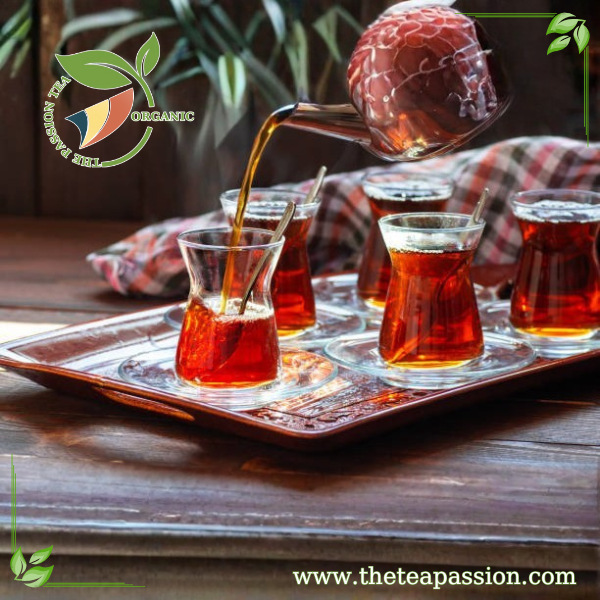
As a tea lover, a passionate enthusiast, and a tea producer, I have always believed that tea is much more than just a beverage. It is an art, a culture, and a lifelong journey of dedication and respect for nature. In this article, I want to share my heartfelt perspective on what makes quality tea truly exceptional, how it is crafted, and why it deserves to be appreciated beyond commercial interests.
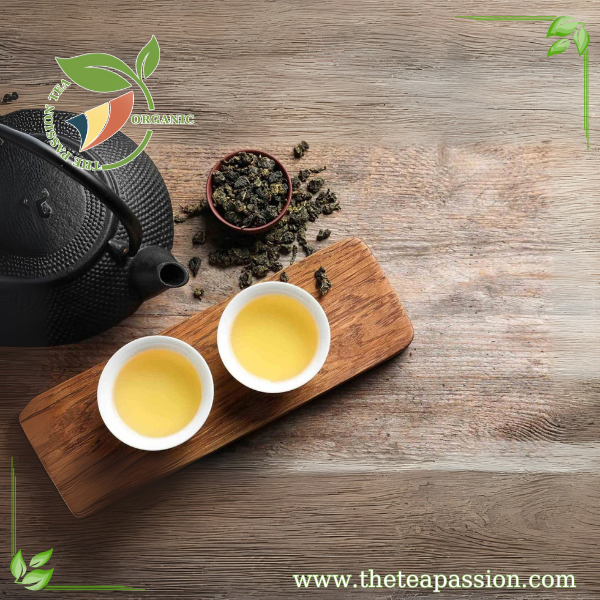
What Defines Quality Tea?
When we talk about quality tea, we are referring to a product that embodies purity, flavor, aroma, and the essence of the terroir where it is grown. It is not simply about mass production or packaging but about the meticulous care taken from leaf to cup. True tea reflects the harmony between nature and human hands, combining traditional knowledge with sustainable practices.
The Passion Behind Quality Tea Production
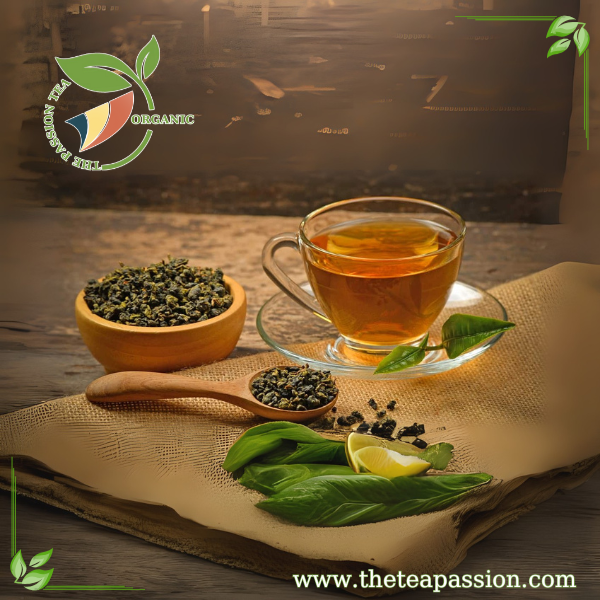
For me, producing tea is a labor of love. It starts with selecting the right tea cultivars, nurturing the tea plants in fertile soil under ideal climatic conditions, and carefully harvesting leaves at the perfect time. Every step is crucial because even the slightest neglect can affect the final taste and quality.
The passion for quality tea pushes us to respect the natural rhythms of the tea garden. We avoid harmful chemicals and prioritize organic methods to preserve the health of the soil and plants. This commitment ensures that the tea leaves retain their natural nutrients and flavors, which ultimately result in a superior cup.
Traditional Techniques and Innovation
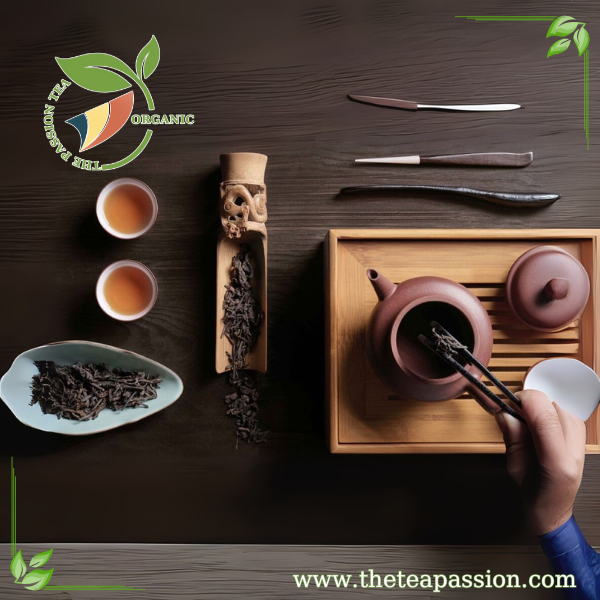
Crafting quality tea is a blend of tradition and innovation. Traditional processing techniques such as withering, rolling, oxidation, and drying are still fundamental in developing the tea’s unique character. However, modern innovations help us maintain consistency and enhance quality control without compromising the tea’s authenticity.
For example, careful temperature control during drying preserves delicate aromas, while hand-rolling ensures the leaves maintain their integrity. These methods, combined with modern knowledge, allow us to produce tea that honors heritage while meeting contemporary standards.
The Role of Terroir in Quality Tea
The concept of terroir—the unique combination of soil, climate, altitude, and landscape—plays a vital role in defining tea. Tea grown in different regions has distinct flavors and aromas, influenced by local environmental factors.
As a tea producer, I witness firsthand how terroir shapes the character of the tea. High-altitude plantations, for instance, often yield teas with complex floral notes and crisp freshness. Understanding and preserving the terroir is essential for maintaining the authenticity and uniqueness of tea.
Why Quality Tea Matters Beyond Commerce
In today’s fast-paced world, tea is often commodified and mass-produced for profit. However, as a true tea lover and producer, I believe that tea transcends commercial value. It is about connection—connecting with nature, culture, and oneself.
Drinking tea is an experience that invites mindfulness and appreciation. It encourages us to slow down, savor the moment, and honor the craftsmanship behind every leaf. This perspective fosters a deeper respect for tea as a cultural heritage and a natural gift.
How to Appreciate Quality Tea as a Consumer
For those who share my passion for tea, appreciating tea means learning to recognize its subtle qualities. Look for teas that are fresh, whole-leaf, and sourced from reputable gardens committed to sustainable and ethical practices.
Brewing techniques also matter. Use fresh, filtered water at the right temperature and steep the tea leaves for an appropriate time to unlock their full potential. Each cup of tea tells a story—of the land, the people, and the passion behind it.
A Lifelong Journey with Quality Tea
To me, quality tea is not just a product; it is a lifelong journey of passion, respect, and discovery. As a tea lover and producer, I invite you to join this journey—embrace the art of tea, honor its traditions, and savor the richness it brings to life.
By focusing on the essence of quality tea rather than commercial gain, we can preserve the integrity of this ancient craft for future generations. Let us celebrate tea not only as a drink but as a symbol of culture, nature, and heartfelt dedication.